One of the most powerful ways teachers can affect student achievement is through data collection and analysis. As a teacher teaching a singleton AP course, I regularly engaged in data analysis that correlated to College Board released statistics of student performance. I empowered my students to chart their scores on scheduled formative assessments to visualize their improvement, and then shared class-wide results to explain my instructional choices. I’ve used various education technologies to monitor student learning, like Socrative or eInstruction’s responder devices. As a PLC facilitator, I have coordinated the development of common formative assessments, as small as a three-question ticket out the door or as complex as a writing assignment, and encouraged and monitored the data collection and analysis, adapting our common unit plans accordingly to target all populations in our classes, seeking to see growth in all of our student populations. As an AP coordinator, my head swims with data. I have used the Summary of Answers and Skills report to target areas for improvement in the English department; I’ve used the AP Potential report to promote and build the AP program; and I’ve conducted biannual data chats with AP teachers about the data provided by the Instructional Planning Report to adapt instruction for the needs of students. As a result of my efforts, as many as 76 percent of my English IV students demonstrated college readiness before graduating in 2014. I’m also very proud of my AP teachers, who have used data from mock AP exams to modify instruction.
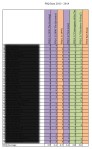
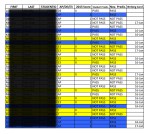
HHS ELA PLC Formative Assessments
 Allison Poindexter